
An Introduction to the U.S. Stock Market
The stock market consists of exchanges, and stocks are listed on a specific exchange in which the stock shares are bought and sold by the traders.


Stocks
An Introduction to the U.S. Stock Market
What Factors Impact U.S. Stocks?
Rules for Trading in the U.S. Stock Market
U.S. Stock Market Circuit Breakers
The Regulators of the U.S. Stock Market
What to Know About Short Selling in the U.S. Market?
What Are American Depositary Receipts (ADRs)?
Understanding Trading Suspension and Delisting
What Is Bankruptcy?
Nonfarm Payrolls: A Comprehensive Investor’s Handbook
What Is Corporate Privatization?
Everything You Need to Know About Stock Split and Reverse Stock Split
Big Gains or Big Risks? The Truth About Penny Stocks
Mastering Market Turmoil: Hedging Strategies for Volatile Markets
An Introduction to the Saudi Arabia Stock Market
What Are the Financial Instruments Available in the Saudi Capital Market?
Rules for Trading in the Saudi Arabia Stock Market
What Factors Impact SA Stocks?
The Regulators of the Saudi Arabia Stock Market
Stocks
The stock market consists of exchanges, and stocks are listed on a specific exchange in which the stock shares are bought and sold by the traders.

The stock price movement can be measured by a temporary difference between what stock sellers are supplying and what stock buyers are demanding.

The primary role of a stock market is to attract buyers and sellers to negotiate stock trading. To determine the price, auctions are the most common way of setting the prices of a share.

A circuit breaker is an emergency-use regulatory measure that halts trading to curb panic-selling for a certain period on an exchange.
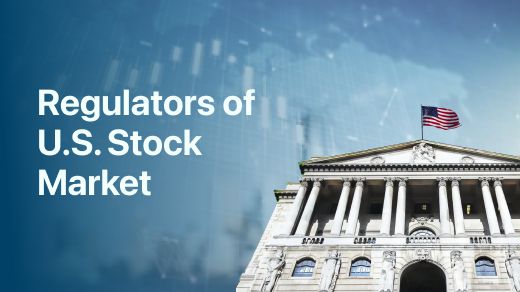
There are several different authorities that regulate the stock markets in the US, and the top regulatory agency is Securities and Exchange Commission (SEC).
Short selling is when investors who do so because they believe the price of the stock will decrease in value.

ADRs are a form of equity security that was created specifically to simplify foreign investing for American investors.
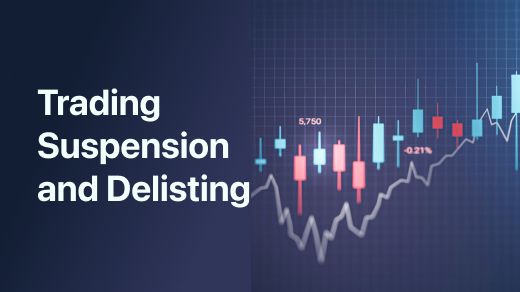
The U.S. Securities and Exchange Commission (SEC) is authorized under federal law to suspend trading in any stock for a period of up to 10 business days .

Bankruptcy is a legal process that lets individuals or businesses start over financially when they can't afford to pay the debts.

The Non-farm Payroll (NFP) report is the most significant employment indicator in the United States, reflecting the overall condition of the labor market.

Privatization of a publicly traded company refers to transferring ownership, operation, and control of the company to a private enterprise.

A stock split is a corporate action in which a company’s board of directors increases the number of shares outstanding by issuing more shares to current shareholders.

Many believe penny stocks can double or triple their money quickly, but data shows that most penny stocks underperform the broader market.

We’ll explore what market risk entails and provide actionable strategies to mitigate losses during periods of market turbulence.

The Saudi economy is an oil-based economy, one of the world's largest twenty economies (G20).

Stocks are investments that give their holder ownership in a specific company. Individual investors become shareholders in a company once they own shares in that company.
The Saudi Stock Exchange opens Sunday through Thursday from 10:00 am to 3:00 pm Arabian Standard Time (GMT+03:00). The exchange does not close for lunch, and it opens for a total of 5 hours per day.

The political issue is a significant factor in the stability of the economy in general and the stock prices in the financial market in particular.

The Capital Market Authority (CMA) is the financial regulatory authority of The Kingdom of Saudi Arabia (KSA).